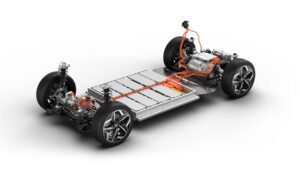
Electric cars use a different energy source compared to vehicles with traditional internal combustion engines. The performance, range and energy consumption of electric cars vary depending on a number of factors. In this article, I will discuss basic information about the electricity consumed per kilometer by electric cars and the affecting factors.
Electric Car Energy Consumption
The energy consumption of electric cars is measured in kWh (kilowatt-hours). This measurement indicates the amount of energy an electric car consumes to travel a certain distance. The energy consumption of electric cars is usually expressed as an average average value per unit, which indicates the energy consumption per kilometer.
Range
The range of electric cars shows how far it can travel on a charge. This value is usually determined according to WLTP (Worldwide Harmonized Light Vehicle Test Procedure) or EPA (Environmental Protection Agency) standards. An electric car with a higher range can cover longer distances while consuming less energy.
Factors Affecting Energy Consumption
Driving Style and Speed: Fast driving and sudden accelerations can increase energy consumption. Traveling at lower speeds and accelerating regularly can improve energy efficiency.
Weather Conditions: Cold weather requires increased use of heating systems, which can increase energy consumption. Similarly, hot weather may require the use of air conditioning.
Vehicle Weight and Design: Vehicles with a light and aerodynamic design consume less energy. Additionally, the weight of the vehicle also affects energy consumption.
Tire Pressure: Correct tire pressure can improve energy efficiency. Low tire pressure can increase energy consumption by increasing friction.
Battery Efficiency: Battery technology and battery management systems used in electric cars also affect energy efficiency.
Charging Infrastructure
Another important issue for electric car users is charging infrastructure. Easily accessible charging stations and fast charging facilities make the daily use of electric cars easier.
Cost and Economy
The cost per kilowatt-hour of electric cars varies depending on a country’s energy prices. However, it is generally more economical compared to conventionally fueled vehicles.
As a result, the amount of electricity consumed per kilometer by electric cars varies depending on a number of factors. Factors such as technological developments, energy efficiency and charging infrastructure contribute to making electric cars a more competitive and sustainable alternative.